

Latest News
June 30, 2026 | Text: Markus Selinger | Antivirus for Windows
16 security solutions for Windows 11 clients in companies
2026 has been a turbulent year for companies, with global crises, attacks on the supply chains, ransomware attacks and AI-powered cyberattacks, making the need for a security solution all the more pertinent. It’s the last line of defense for a company and all of the computers in its network. But how well do the security solutions for corporate users hold up to the varied malware attacks? 16 protection solutions for office computers running Windows 11 were put to the test in March/April 2026, and the results are impressive. The products needed to detect and fend off nearly 25,000 malware samples, some of which were brand new. In addition, the test experts evaluated how the solutions handle false alarms and affect system performance.
Security solutions for corporate users put to the test:
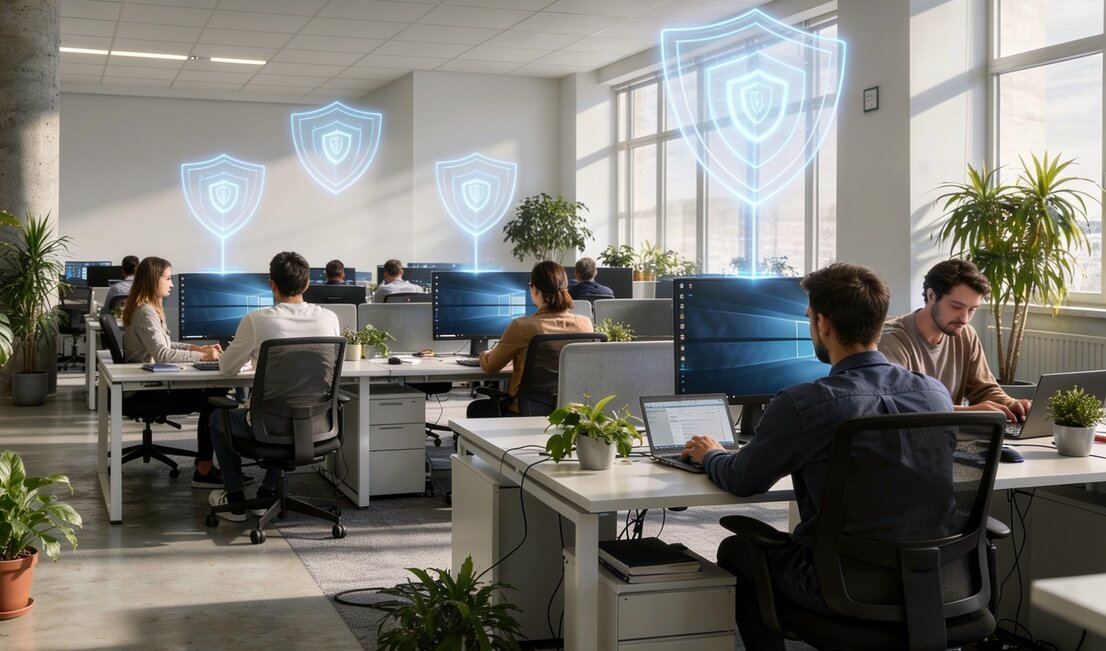
16 endpoint solutions for office computers running Windows 11 put to the test
The strain under which IT staff works has never been as great as it has been in 2026. On the one hand, the security teams need to comply with new or amended data protection regulations, such as GDPR or NIS2. On the other hand, they are confronted by hacker groups whose business models focus more and more on cyberattacks. They leverage modern AI features to adapt their malware more quickly, enabling them to flexibly respond to changes. The majority of these attacks target the office computers of employees, which are the traditional endpoint in a company. These need to be protected without fail.
Vendors of security products proved their mettle in the latest test for March/April 2026 where 16 endpoint solutions for corporate users running Windows were put to the test, with a number of stand-out results. Included in the test were products from the following vendors: Acronis, Avast, HP Security, Kaspersky (with 2 versions), Legendsec, Microsoft, Microworld, Net Protector, Norton, Qualys, Seqrite, Sophos, Symantec, Trellix and WithSecure.
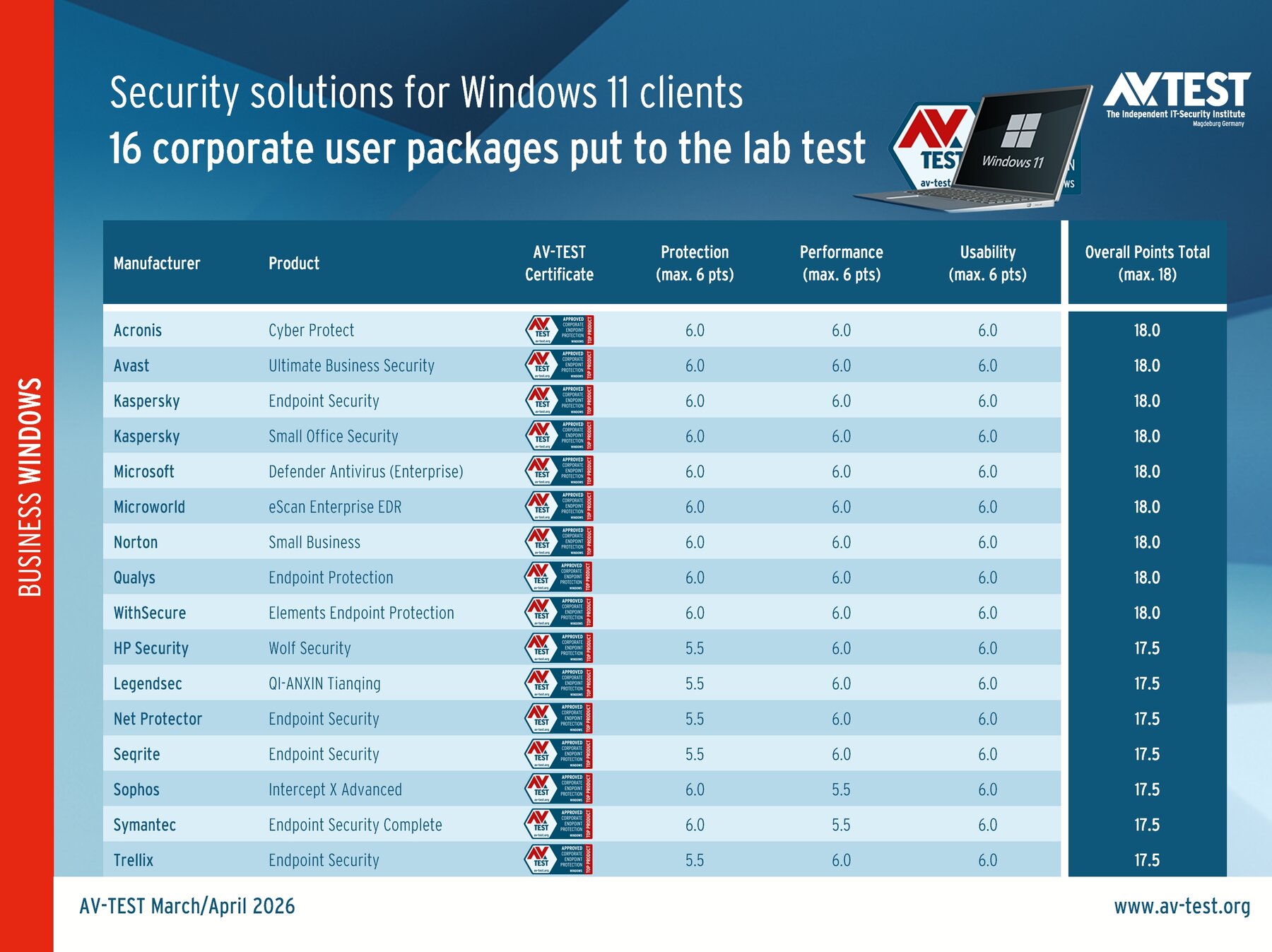
All of the solutions were evaluated in the three test categories of protection, performance and usability. The last category mainly involved the test for false positives. The lab experts can award up to 6 points for each category. If a product achieves 17.5 or even 18 points as a final result, it is not only awarded the certificate “Approved Corporate Endpoint Protection” but also earns further recognition as a TOP PRODUCT.
Security solutions for Windows 11 clients
A flawless test result: 9 of the tested security solutions for companies received the maximum score possible
Malware detection on office computers running Windows 11
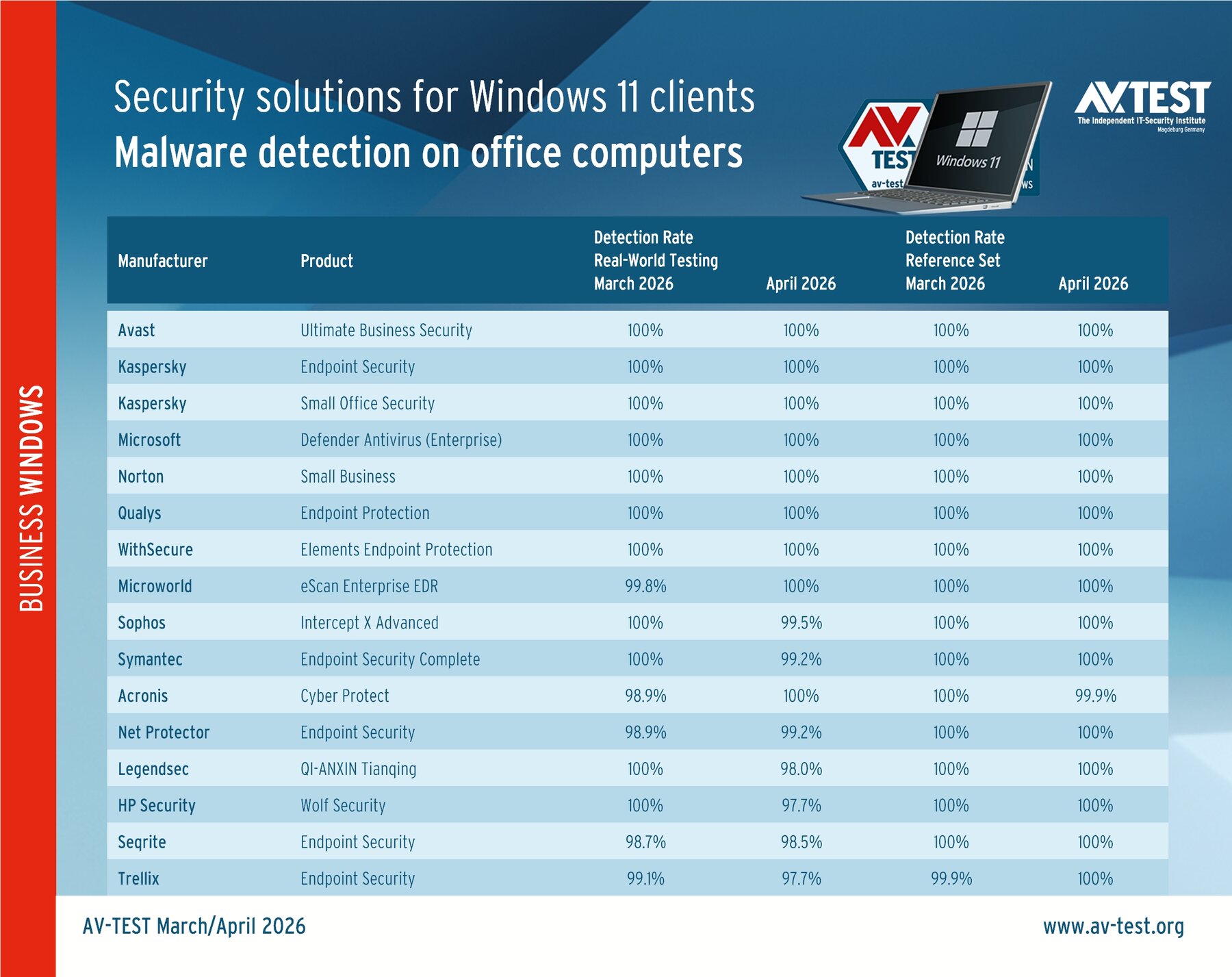
7 products demonstrate exemplary work in detecting the nearly 25,000 samples of malware in testing under systems running Windows 11


The level of protection offered by the endpoint solutions
All products needed to overcome a number of hurdles when testing the level of protection they offer. The first part of testing involved a detection test for zero-day malware, essentially a real-world test. In the second part of testing, the solutions were pitted against a reference set of malware, which involved many more samples. The ones used here had been lurking around the internet in recent days, which meant that vendors of security packages should have been aware of them. Both tests were conducted once in March and once again in April. That is why four results are listed in the table showing the detected scores.
Altogether, the solutions needed to detect and defend against nearly 25,000 samples of malware on the test systems running Windows 11.
7 of the solutions passed all of the tests with flying colors: Avast, Kaspersky (both versions), Microsoft, Norton, Qualys and WithSecure. The products from Microworld, Sophos and Symantec each made minor errors in real-world testing, which led to detection rates ranging between 99.2 and 99.8 percent. They otherwise performed perfectly well. Acronis encountered minor issues in two segments of testing. However, all of the products mentioned earned the full 6 points in the category of protection.
The other solutions from Net Protector, Legendsec, HP Security, Seqrite and Trellix each received a half-point deduction because of minor hiccups in several segments over the two months of testing. For this, they were awarded 5.5 out of 6 possible points.
The system load of endpoint solutions
At times, employees in a company need to work with older computer models with slower processors and less RAM. For this reason, the office computers running Windows 11 cannot be additionally taxed when the security solutions are running. In order to evaluate this aspect, in the category of performance, the test experts used both a high-end and a standard office computer and executed a number of operations on each type of computer before installing a security package. They surfed the internet, downloaded files, installed and launched apps and copied countless files locally and over the network. The time required for all these tasks was then used as a reference value. Finally, the test experts activated the security packages and performed all operations again.
The result couldn’t have been clearer: 14 out of 16 products tested required minimal system resources and hardly affected system performance while they did their job. For this good performance, all these products received the full 6 points.
Only the products from Sophos and Symantec slowed down the systems measurably when applications were installed and launched. This resulted in half a point being taken off, leading to both packages receiving 5.5 out of 6 points.
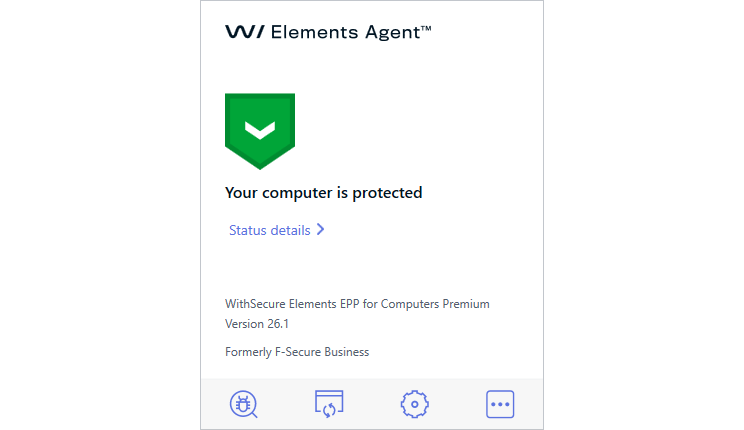
WithSecure Elements Endpoint Protection
The security solution for corporate users from WithSecure accomplished all test tasks without a flaw, scoring 18 points
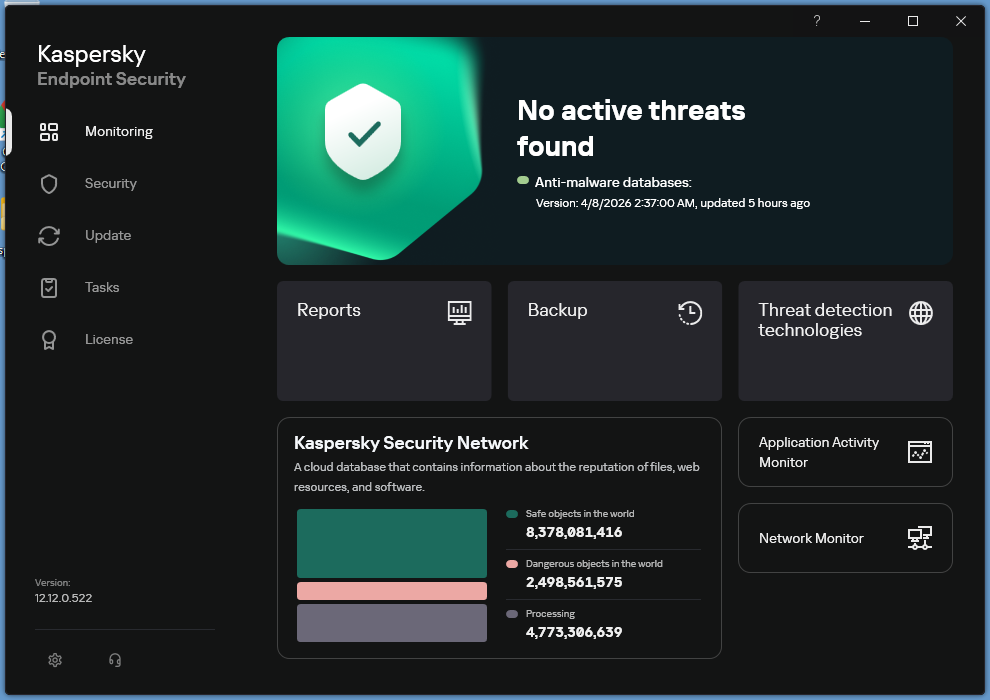
Kaspersky Endpoint Security
The endpoint product from Kaspersky performed well in the test, including its Small Office Security version, and earned 18 points for each product
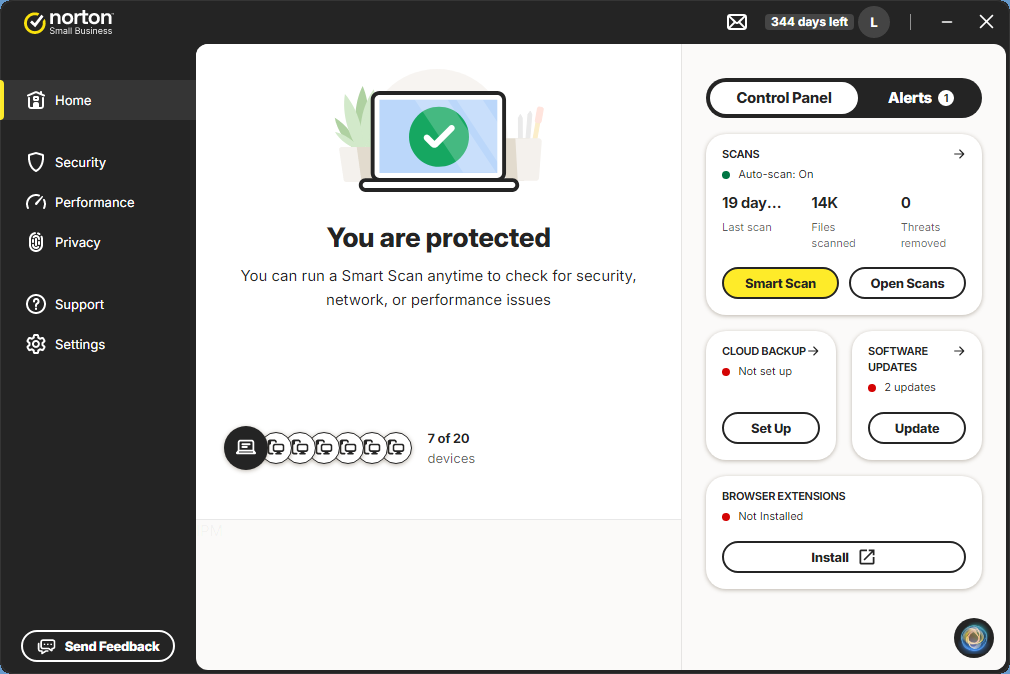
Norton Small Business
Norton’s solution for corporate users completed all three test categories with excellent results, having scored the full 6 points in each of the 3 categories
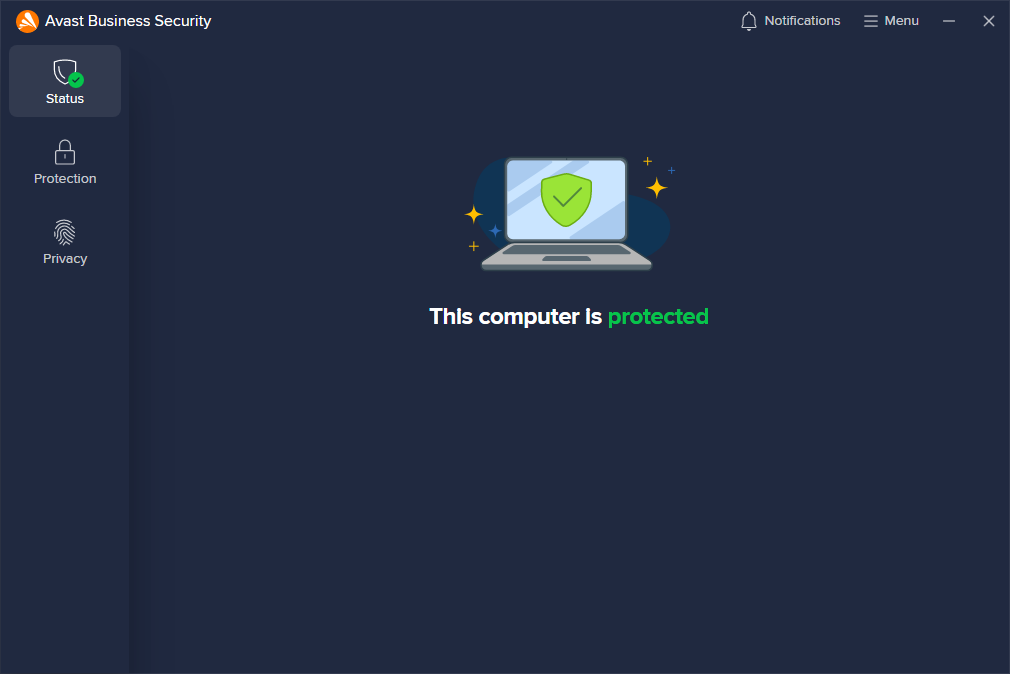
Avast Ultimate Business Security
The security solution for corporate users from Avast detected 100 percent of the attackers and easily breezed through the other two categories: 18 points
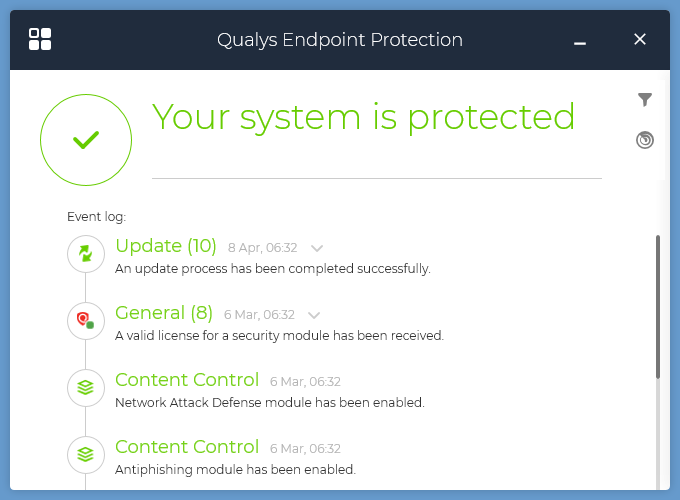
Qualys Endpoint Protection
The endpoint solution demonstrated its reliability as a security package capable of detecting every single attacker, scoring a well-deserved 18 points
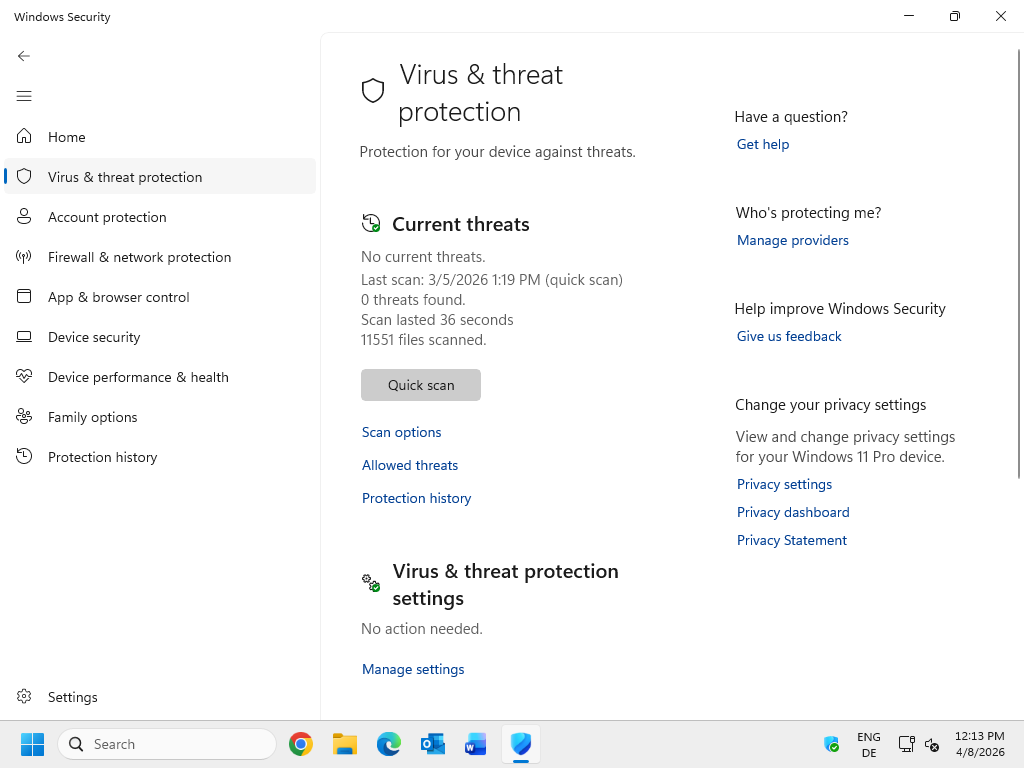
Microsoft Defender Antivirus (Enterprise)
The enterprise version of the popular security program for Windows 11 delivered a first-class performance and earned the full 18 points
Closely examining the response to false alarms
Companies from all four corners of the world stand to lose a lot of money when “overactive” malware scanners register false alarms, known as false positives. Studies by Finite State have shown that IT security teams waste countless hours each week by manually checking inactive or even harmless threats. 72 percent of respondents in one study stated that false positives greatly reduce the productivity of their teams.
That’s why the response to false alarms is a crucial aspect of testing security solutions for companies. The lab evaluates whether they wrongly flag harmless applications and trigger false positives. First, the test team copied nearly 1.5 million innocuous files to the systems.
Then, dozens of applications were installed on the test computers and subsequently launched. Surfing the internet is one of the many activities in office life, which is why the test experts opened 500 websites to check whether they are blocked by the security solutions.
They shouldn’t raise the alarm once in testing because all of these actions are harmless. The result was truly impressive: several products incorrectly categorized one single file among the test files as dangerous, but everything else was seen to be harmless. For this excellent performance, all 16 solutions tested earned the maximum of 6 points in this test category.
Conclusion: the overall outcome was impressive
The March/April test bears testimony to the efficiency and reliability of the tested security solutions for Windows 11, even when subjected to the harsh testing conditions. The test scorecard shows that 9 products scored 18 points and 7 solutions scored 17.5 points. What more could you ask for!
For companies that need absolutely reliable detection performance, they should turn to the products from Avast, Kaspersky (both versions), Microsoft, Norton, Qualys and WithSecure as endpoint solutions.
The results of the Advanced Threat Protection tests, which are released on a regular basis, provide further critical insights regarding security solutions for Windows computers. In this series of testing, the products need to detect and fend off infostealers and ransomware in 10 attack scenarios that mimic real-world situations. The test gives excellent insight into how a security package compensates with internal security modules, in the event that problems arise with its detection measures.
The best Windows antivirus software for business users
Windows 11: April 2026